
Description
AI-Enabled Electronic Health Record (EHR): The Future of Intelligent Healthcare
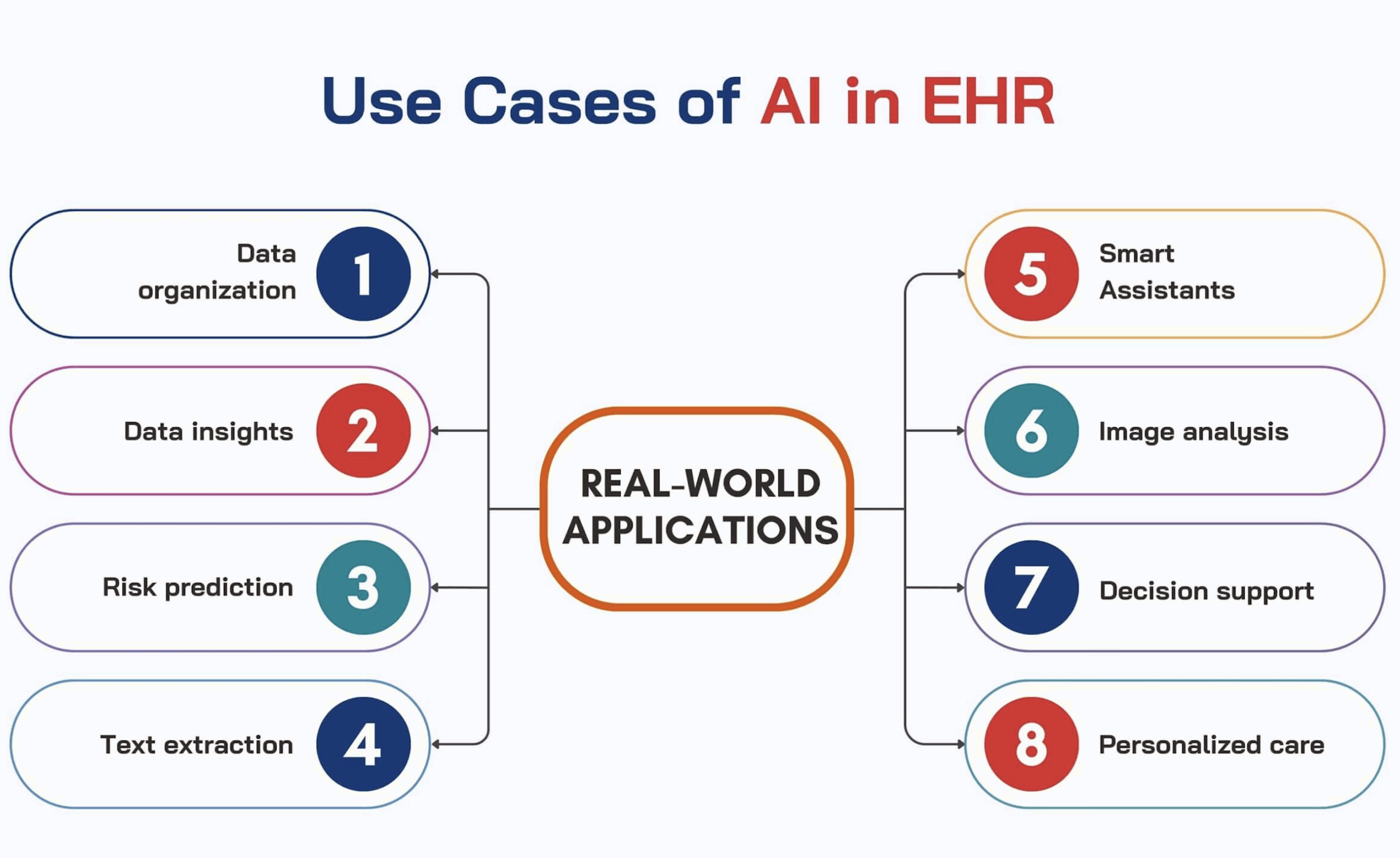
An AI-Enabled Electronic Health Record (EHR) system represents the next generation of digital healthcare infrastructure—one that not only stores and organizes patient information but also thinks, learns, and assists clinicians in real time. By integrating artificial intelligence, natural language processing (NLP), and predictive analytics into the core of EHR architecture, these systems transform traditional record-keeping into a powerful clinical decision support engine.
At its foundation, the AI-EHR aggregates data from diverse sources: patient histories, laboratory results, imaging, prescriptions, wearable devices, and genomic data. Using AI models trained on millions of anonymized health records, the system identifies hidden patterns, predicts disease risks, and recommends personalized interventions. Instead of simply recording medical events, it provides actionable intelligence to prevent adverse outcomes before they occur.
Key Functional Capabilities
-
Predictive Analytics – Machine learning models forecast potential health risks such as heart failure, sepsis, or readmission, enabling preventive care and early intervention.
-
Clinical Decision Support – AI suggests evidence-based diagnostic and treatment options aligned with the latest medical guidelines.
-
Automated Documentation – Natural language processing transcribes physician-patient conversations and populates structured fields, reducing administrative workload.
-
Personalized Medicine – Algorithms analyze genetic, behavioral, and lifestyle data to tailor therapies to individual patients.
-
Operational Optimization – Predictive scheduling and resource forecasting reduce wait times, streamline hospital workflows, and enhance patient throughput.
-
Interoperability & Data Integration – AI harmonizes data across systems (FHIR, HL7) to create unified longitudinal health records.
Benefits
-
For Clinicians: Less manual data entry, faster charting, and real-time AI recommendations that improve diagnostic accuracy.
-
For Patients: More personalized, proactive, and connected care experiences.
-
For Administrators: Efficiency gains through automation, analytics-driven cost control, and quality reporting.
AI-Enabled EHRs are also adaptive: continuous machine-learning feedback loops refine algorithms as new data is collected. Cloud-based architectures ensure scalability and compliance with HIPAA, GDPR, and emerging digital health standards. As hospitals evolve toward precision and value-based care, AI-driven EHRs serve as the central nervous system of modern healthcare—bridging data, intelligence, and compassion.
Reviews
There are no reviews yet.